
"compact espresso"
400 article(s) found

Espresso knowledge learning, why coffee powder should be compacted?
The reason for compacting the coffee powder is that when using an Italian coffee machine, the hot water brewed has about 9 atmospheric pressure, which is very stressful. When the water penetrates the coffee cake, the water is inert. What is inertia, that is, water will penetrate through the weakest part of the coffee cake, not from the thickest place. So, if it's not compacted and flattened, the coffee

Fine Coffee learn to make espresso Why should the coffee powder be compacted
Seeing this problem a few days ago, I felt that it was necessary to popularize the knowledge of grinding, pressing and applying powder. The reason for compacting the coffee powder is that when using an Italian coffee machine, the hot water brewed has about 9 atmospheric pressure, which is very stressful. When the water penetrates the coffee cake, the water is inert. What is inertia, that is, water will come from the weakest of coffee cakes

Introduction to coffee knowledge-correct powder pressing posture
Coffee knowledge introduction-the correct powder pressing posture requires heavy pressure. The coffee powder which has been lightly pressed in front has formed a relatively compact pressed powder, so it needs to be pressed further to meet the compaction requirements of pressed powder required by the production of Espresso coffee. The reason why it is not suitable for light pressure is that the compactness of light pressure pressed powder is not enough to produce rich and mellow espresso.

Nomad portable espresso machine popular espresso machine espresso with coffee beans
Nomad can be said to be the most environmentally friendly and compact espresso machine in the world. It requires no power supply, is compact and easy to operate. Let you in any spare corner, as long as you have Nomad, coffee and water, you can brew high-quality espresso like an experienced coffee master. Nomad exclusive patented technology True Crema Valve solves the problem of coffee grinding particles
Espresso production: elements that should be paid attention to in pressing powder
Previous blog posts have introduced a variety of factors that affect the taste of Espresso. Here is only one of these factors, which is also a very important step in the process of making Espresso. What is assumed here is the ideal state, leaving aside other factors, powder amount, water temperature, degree of grinding, humidity, water pressure, etc., and only consider pressing powder.
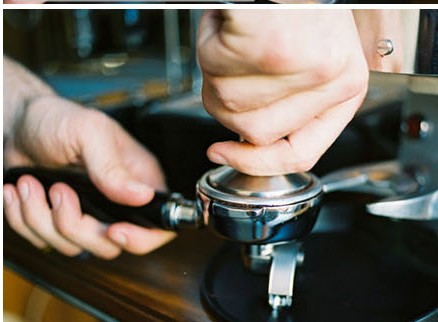
Espresso production: factors that should be paid attention to Coffee Powder pressing skills and strength Powder Compressor
Previous blog posts have introduced a variety of factors that affect the taste of Espresso. Here is only one of these factors, which is also a very important step in the process of making Espresso. What is assumed here is the ideal state, leaving aside other factors, powder amount, water temperature, degree of grinding, humidity, water pressure, etc., and only consider pressing powder.

Espresso production: factors that should be paid attention to Coffee Powder pressing Coffee knowledge
Here is only one of these factors, but also a very important step in the process of making Espresso powder for further summary. What is assumed here is the ideal state, leaving aside other factors, powder quantity, water temperature, grinding degree, humidity, water pressure, etc., and only consider the influence of powder pressing action and the elements that powder pressing should pay attention to. Generally speaking, powder pressing

Technical details of espresso production wet powder coffee oil commercial blending of coffee beans
Puck [competition] Wet pressed powder coffee powder is extracted and left in the filter powder bowl. The wet pressed powder should be compact and color-balanced. Although it is not necessary to pay too much attention to the compactness of wet pressed powder, it should maintain the unity of color and texture. The liquid from the Look appearance (during extraction) should be dark almond brown at first and gradually turn into a lighter caramel.
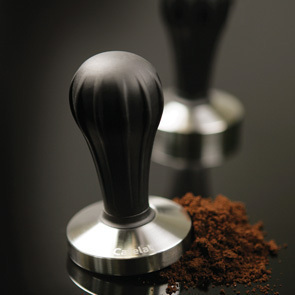
Making Italian Coffee pressing Powder is a very important step to pay attention to when making Espresso pressing Powder
Here is only one of these factors, but also a very important step in the production of Espresso powder for further summary. What is assumed here is the ideal state, leaving aside other factors, powder quantity, water temperature, grinding degree, humidity, water pressure, etc., and only consider the influence of powder pressing action and the elements that powder pressing should pay attention to. Generally speaking, pressing powder

Introduction to the course of making Italian Coffee: an introduction to the elements that should be paid attention to in the production of pressing Powder by Espresso
Previous blog posts have introduced a variety of factors that affect the taste of Espresso. Here is only one of these factors, which is also a very important step in the process of making Espresso. What is assumed here is the ideal state, leaving aside other factors, powder amount, water temperature, degree of grinding, humidity, water pressure, etc., and only consider pressing powder.
Grinding of espresso beans
A cup of espresso requires 7 to 9 grams (about spoon) of ground coffee beans mixed with about 57 grams (4 tablespoons) of water. This will make a small cup of black espresso of about 43 grams, with a strong aroma, a slight bitterness in sweetness, and almost pulpy. After grinding, the oil in the coffee bean comes into contact with the air and begins to oxidize almost immediately and lose its original flavor. This will also have a shadow on the bubble.
What is the difference between espresso coffee and drip coffee?
The main difference between espresso and drip coffee is the fineness of the grind and the brewing time. Espresso takes much less time to brew, so it can be done using an espresso machine. This machine can generate pressures of up to 15 atmospheres (ATM), forcing water to seep through coffee. A small cup of espresso is made by injecting about 43 grams of hot water into compacted and finely ground espresso powder

Coffee common sense what's the difference between espresso and drip coffee
The main difference between espresso and drip coffee lies in the fineness of grinding and brewing time. Espresso takes much less time to brew, so it can be done with an espresso machine. The machine can produce a pressure of up to 15 ATM, forcing water to seep through the coffee. A small cup of espresso is made by injecting about 43 grams of hot water into compacted and finely ground espresso powder.

Coffee common sense what's the difference between espresso and drip coffee?
The main difference between espresso and drip coffee lies in the fineness of grinding and brewing time. Espresso takes much less time to brew, so it can be done with an espresso machine. The machine can produce a pressure of up to 15 ATM, forcing water to seep through the coffee. A small cup of espresso is made by injecting about 43 grams of hot water into compacted and finely ground espresso powder.
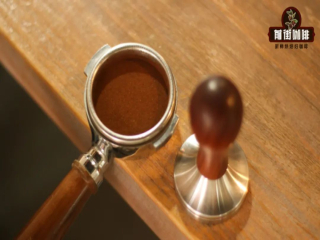
How does extracted espresso fill pressed powder? How much strength does it take to press the powder?
Sometimes, watching the barista's powder pressing action will also be a decompression thing! Because each barista has a different understanding of powder pressing, they will have different powder pressing actions. It is already a consensus to flatten the powder, because once the powder pressure is uneven, it will be high and low on one side.
Steam pressurized pot espresso boutique coffee
Steam pressurized kettle features: mocha kettle uses 2 Bar steam pressure to extract coffee in an instant, the operation technology is simple. Espresso is made from 80 to 96 degrees Celsius hot water at a force of 8 to 9 atmospheres through compacted coffee cakes, usually only 30 milliliters per cup. It is one of the strongest of the common coffee, with a unique aroma and a touch of oil (Crema) floating on the surface.

How to visually judge whether an espresso is good or bad? Do you really know how to drink coffee
The perfect espresso has hazelnut foam, close to dark brown, with reddish dots, and may have consistent light stripes. The texture is compact with tiny bubbles. There must be no obvious bubbles, no white spots, and no cracks in the coffee liquid below. The common bad factors of espresso are close to gray: they may be used too much or too little.
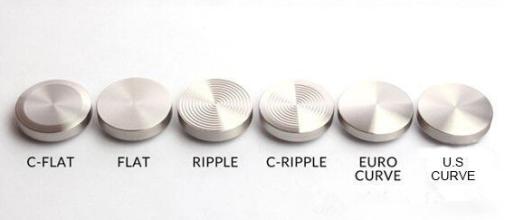
Why do you use a powder press to make coffee? How to use the powder press? How to press powder is correct
The powder press (or powder hammer) is one of the most commonly used tools in espresso. So the question is, why use a powder press? Baristas all know that when using an Italian coffee machine, the hot water brewed has about 9 atmospheric pressure (of course, this is not a fixed value, but also 12 atmospheric pressure or higher), the pressure is very high, when the water penetrates the coffee cake, the water is

How strong is the powder pressing of espresso? Leveling skills of coffee powder filled with extracted Italian coffee
Professional coffee knowledge exchange more coffee bean information please follow the coffee workshop (Wechat official account cafe_style) to make a good espresso, the key lies in the details before extraction, such as using the weight to control the amount of powder extracted, or placing a weighing coffee liquid on the leach pan to control the powder ratio of the extracted coffee, and then adjust the research according to this parameter.

Summary of espresso Espresso: how to make espresso with the thickest oil?
For more information on coffee beans, please follow the coffee workshop (Wechat official account cafe_style). Around the mid-1990s, there were a number of Italian coffee shops in China. The pioneers of Italian coffee shops were no more familiar than Alomar Proole and later the Norwegian forest La Crema CIA. These Italian coffee shops and many Japanese-style cafes at that time were